

A New Performance Reality Emerges: Why Workplace Health Needs a Modern Redefinition
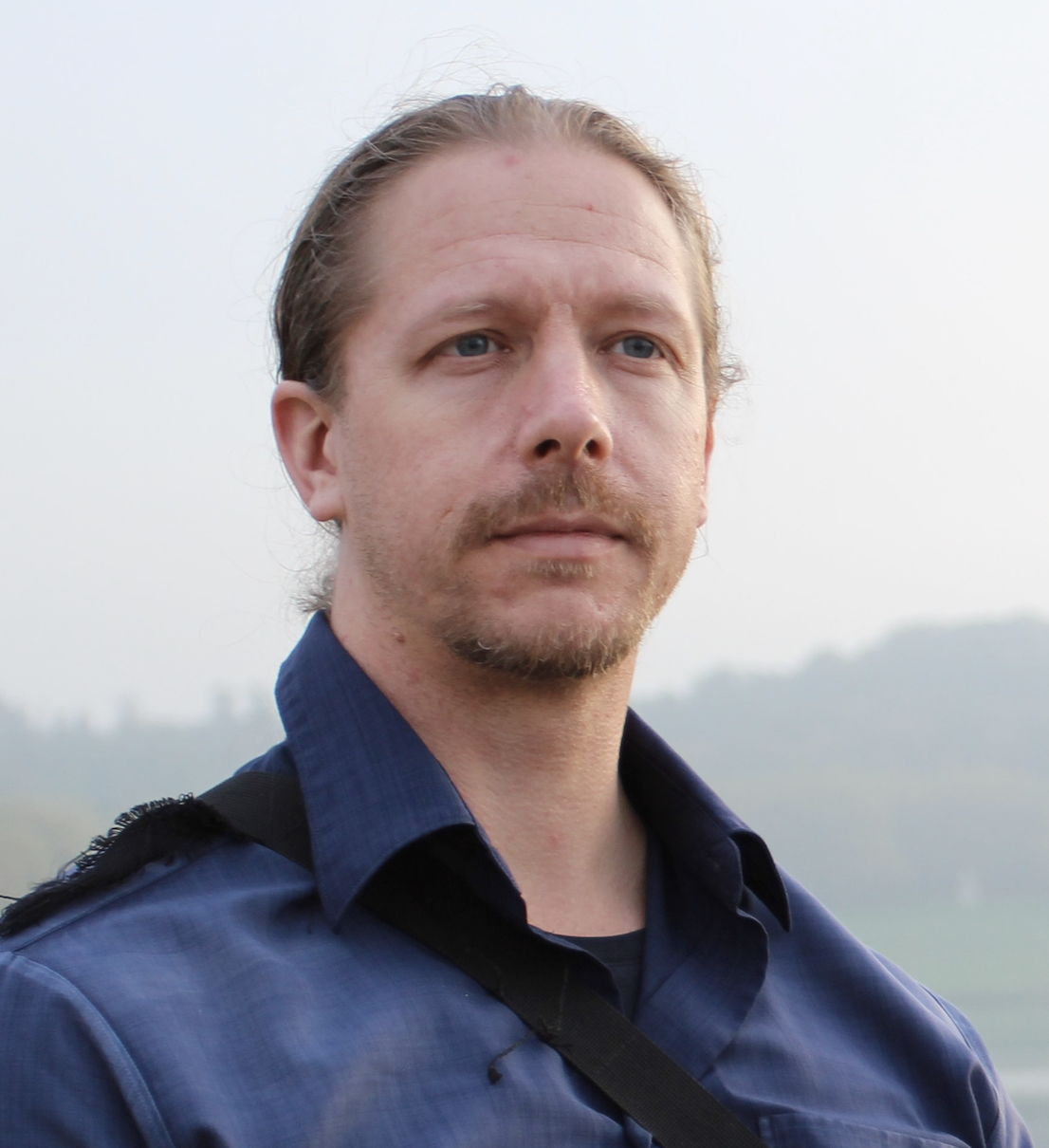
Dr.Kyle Hulsebus
New insights highlight why workplace resilience requires whole-person health, focusing on breath, balance, and seven core life domains.
ROCKFORD, IL, UNITED STATES, December 11, 2025 /EINPresswire.com/ -- As burnout, disengagement, and chronic stress continue to challenge organizations across industries, Health and Human Potential Specialist Dr. Kyle Hulsebus is calling for a fundamental shift in how leaders understand and support human performance. Instead of treating health as a set of isolated habits or simply the absence of illness, Dr. Hulsebus emphasizes that health is more wisely understood as a state of wholeness, one that integrates physical, mental, emotional, and environmental alignment to enable individuals and teams to function at their highest capacity.
This reframing comes as new data underscores the connection between well-being and organizational success. A recent McKinsey report highlights that companies who invest meaningfully in employee health and well-being see measurable gains in productivity, engagement, retention, and overall organizational performance. The research warns that burnout and unmanaged chronic stress have become major barriers to workforce effectiveness, reducing morale and hindering long-term sustainability. In contrast, organizations that cultivate psychological safety, supportive leadership, and systems that value well-being consistently outperform their peers.
These findings align with the 2022 research review Burnout: A Review of Theory and Measurement, which defines burnout as a distinct occupational phenomenon linked to chronic, unaddressed workplace stress. The review outlines three primary dimensions of burnout: emotional and physical exhaustion, detachment or cynicism, and a diminished sense of accomplishment. Importantly, researchers note that the root causes are organizational, including heavy workloads, poor role clarity, inconsistent communication, and limited support, rather than deficiencies within individual employees. When burnout becomes widespread, the review shows clear declines in job satisfaction, engagement, performance, and retention, ultimately weakening overall organizational health.
“Many organizations recognize burnout as an issue, but they often attempt to solve it through surface-level initiatives that don’t address the underlying conditions people are working within,” said Dr. Hulsebus. “Individuals perform optimally when they are aligned, clear, supported, and equipped to manage the challenges of their environment. Health is not just physical. It’s the internal adaptive ability that allows individuals to show up with purpose and presence.”
Dr. Hulsebus’s work emphasizes that employees today are often operating in constant reaction mode; juggling competing deadlines, shifting expectations, and continuous workplace demands. Without access to strategies that strengthen internal balance and clarity, employees struggle to maintain the focus and energy needed for sustainable achievement. Over time, this reactive state erodes not only individual well-being but also team cohesion and organizational outcomes.
To address these challenges, Dr. Hulsebus developed a Corporate Health Framework grounded in seven essential areas of life that directly influence human performance. These areas are often overlooked in traditional corporate development programs; shaping how individuals manage stress, communicate, make decisions, and engage with their work. According to Dr. Hulsebus, organizations that help employees strengthen these multiple areas see improvements not only in well-being but also in morale, productivity, and collaboration.
“People don’t lose their edge because they lack talent or ambition,” he explained. “They lose it when their internal resources are depleted or misaligned. When people understand the varied areas of life that fuel clarity and resilience, they regain capacity and that transforms how they operate in work and in life.”
As part of this work, Dr. Hulsebus leads an experiential two-day workshop designed for organizations seeking to address persistent, systemic performance challenges. This workshop integrates human wellness principles with organizational strategy, helping employees and leaders develop shared language, improved communication, and practical tools for sustainable adaptive performance. Rather than focusing on short-term motivation, the experience helps teams develop a deeper awareness of how alignment, clarity, and internal balance contribute to long-term effectiveness.
The workshop also supports leaders in recognizing how workplace systems influence human health. When expectations are unclear, communication is inconsistent, or demands exceed capacity, employees naturally shift into survival mode. Over time, these conditions contribute to disengagement, tension, and reduced problem-solving abilities, all of which impact organizational outcomes. By addressing these issues at the root level, organizations can create environments where employees have the internal and external resources required to thrive.
As a third-generation chiropractor, educator, author, and specialist in human potential, Dr. Hulsebus brings a multidisciplinary perspective rooted in decades of experience working with the human body, nervous system, and patterns of human behavior. His approach bridges physical, psychological, and environmental aspects of well-being, helping organizations understand and support the full complexity of human performance. His message is clear: sustainable achievement requires addressing the fundamentals that fuel clarity, energy, and long-term adaptability.
“At a time when organizations are navigating rapid change, uncertainty, and high-performance demands, the ability to cultivate whole-person health is not optional — it is strategic,” he said. “Organizations that redefine health as wholeness will be the ones best equipped to build adaptive, high-performing teams.”
As the conversation around burnout continues to evolve, leaders across sectors are seeking frameworks that address both human well-being and the demands of modern work. Dr. Hulsebus’s Corporate Health Framework provides a timely, evidence-informed pathway for organizations striving to align their people with their mission, strengthen workplace culture, and support higher levels of performance with greater sustainability.
Organizations, media outlets, and event producers seeking expert commentary on burnout prevention, whole-person health, or workplace resilience may contact Dr. Kyle Hulsebus for interviews or workshop inquiries at https://drkylehulsebus.com/
Dr.Kyle Hulsebus
Dr.Kyle
+1 773-354-7150
Kylehulsebus@gmail.com
Visit us on social media:
LinkedIn
Legal Disclaimer:
EIN Presswire provides this news content "as is" without warranty of any kind. We do not accept any responsibility or liability for the accuracy, content, images, videos, licenses, completeness, legality, or reliability of the information contained in this article. If you have any complaints or copyright issues related to this article, kindly contact the author above.
