

Bringing you the latest news on media and advertising
Provided by AGP
Expansion of MSHA Training Programs to Support Workforce Safety Compliance

MSHA Training,,

MSHA Training Programs,,

MSHA training courses,,
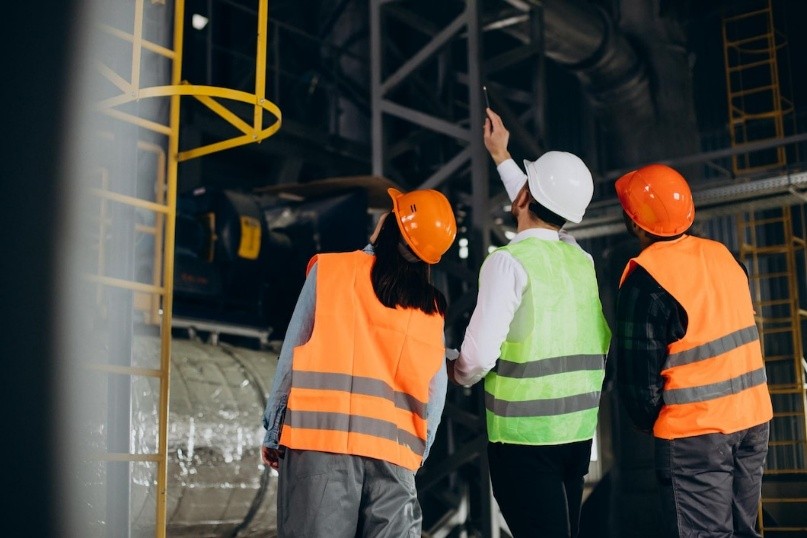
Online and In-Person Training Formats,,
Industrial Consulting & Training LLC is a training provider offering safety and compliance programs for industrial and mining sectors.
HIGHLAND, UT, UNITED STATES, May 4, 2026 /EINPresswire.com/ -- Industrial Consulting & Training LLC has announced the continued expansion and structured delivery of Mine Safety and Health Administration (MSHA) training programs, offering both online and in-person classes with certification options for mining professionals operating across Houston, California, Utah, Colorado, Illinois, Nevada, and Alabama. The development reflects an increased focus on accessible training formats that align with federal safety requirements while accommodating the operational demands of mining environments.The expanded training approach integrates scheduled virtual sessions and traditional classroom instruction, allowing organizations and individual workers to meet compliance requirements through formats suited to their work conditions. The programs are designed to support new miner onboarding, annual refresher requirements, and specialized safety instruction for both surface and underground mining operations.
Structured Training Aligned with Federal Compliance Requirements
MSHA training programs are mandated under federal law to ensure that miners are equipped with the knowledge and skills required to work safely in potentially hazardous environments. These requirements apply to a wide range of mining operations, including surface mines, underground mines, and certain processing facilities.
The training framework includes Part 46 and Part 48 programs, each tailored to specific types of mining activities. Part 46 applies primarily to surface mining operations such as sand, gravel, and stone, while Part 48 addresses underground mining and certain high-risk surface operations such as coal and metal mining.
The available courses are structured to meet these regulatory standards. Participants are required to complete defined training hours and demonstrate an understanding of safety procedures, hazard recognition, and emergency response protocols. Upon successful completion, trainees receive certification documentation that verifies compliance with MSHA regulations.
Integration of Online and In-Person Training Formats
The delivery model combines both online and offline training formats to address logistical challenges commonly faced by mining operations. Remote mine sites, rotating shifts, and project timelines often limit the ability of workers to attend centralized training sessions.
Online classes are conducted in scheduled sessions, allowing participants to engage with course material in real time. This format supports interaction, discussion, and clarification of key safety concepts. It also allows organizations to train multiple employees across different locations without requiring travel.
In-person training continues to be available for organizations that prefer traditional classroom instruction or require site-specific demonstrations. These sessions provide opportunities for hands-on learning, particularly in areas such as equipment handling and emergency drills.
The dual-format approach aims to provide flexibility while maintaining consistency in training quality and content delivery.
Coverage of Core Safety Topics in MSHA Training
The training programs address a comprehensive range of safety topics relevant to mining operations. These topics are designed to prepare workers for real-world conditions and reduce the likelihood of workplace incidents.
Key areas of focus include:
• Hazard recognition and risk assessment
• Ground control and structural stability
• Ventilation systems and air quality management
• Fire prevention and emergency response procedures
• Equipment safety and operational protocols
• Electrical hazard awareness
• Communication methods in low-visibility environments
• Personal protective equipment usage
Each topic is presented in a structured format, combining theoretical knowledge with practical application. The objective is to ensure that workers can identify risks, follow established procedures, and respond effectively in emergency situations.
Certification and Documentation Process
Certification is a critical component of MSHA training programs. Workers must receive formal documentation upon completing required courses, which serves as proof of compliance with federal regulations.
The certification process includes:
• Verification of attendance and participation
• Assessment of understanding through structured evaluation
• Issuance of training records in accordance with MSHA standards
These records are essential for both workers and employers. They support compliance audits, workforce readiness, and regulatory reporting requirements.
Training documentation must be maintained and updated regularly, particularly for refresher courses that are required annually under Part 48 regulations.
Addressing Workforce Accessibility and Scheduling Challenges
Mining operations often involve geographically dispersed teams and non-standard work schedules. These factors can make it difficult to coordinate training sessions that meet regulatory timelines.
The availability of online training sessions addresses these challenges by reducing the need for travel and allowing workers to participate from their current locations. This approach supports continuity in operations while ensuring that safety training requirements are met.
In-person sessions remain available for organizations that require on-site instruction or prefer a classroom-based environment. This flexibility allows companies to select the format that best aligns with their operational needs.
Emphasis on Consistency and Standardization
Consistency in training delivery is essential for maintaining safety standards across multiple job sites. Variations in training quality can lead to gaps in knowledge and increased risk of incidents.
The structured curriculum used in both online and offline formats is designed to ensure that all participants receive the same core information. This standardization supports uniform understanding of safety procedures and regulatory requirements.
It also facilitates better coordination among workers, as all team members are trained using the same guidelines and expectations.
Role of Refresher Training in Ongoing Compliance
Annual refresher training is a requirement under Part 48 regulations. This training ensures that miners remain up to date with current safety practices and regulatory changes.
Refresher courses revisit key topics while introducing updates related to equipment, procedures, and industry standards. This ongoing education helps reinforce safety habits and reduces the likelihood of repeat violations.
The availability of both online and in-person refresher courses allows workers to complete these requirements without significant disruption to their work schedules.
Application Across Multiple Mining Environments
The training programs are designed to address a wide range of mining environments, including:
• Surface mining operations
• Underground mining sites
• Metal and non-metal mining facilities
• Coal mining operations
Each environment presents unique challenges, and the training content is adapted to reflect these differences. This ensures that workers receive relevant instruction that aligns with their specific job roles.
Supporting Workforce Readiness and Risk Reduction
Effective training plays a key role in preparing workers for the demands of mining operations. By providing structured instruction and certification, the programs contribute to workforce readiness and operational safety.
Workers who complete MSHA training are better equipped to:
• Identify and mitigate workplace hazards
• Follow established safety procedures
• Communicate effectively with team members
• Respond appropriately to emergency situations
These capabilities are essential for reducing workplace incidents and maintaining compliance with regulatory requirements.
Observations on Training Effectiveness
According to organizational observations, structured training programs that combine theoretical instruction with practical application contribute to improved safety outcomes. These observations are presented as internal assessments and are not stated as verified industry-wide conclusions.
The organization notes that consistent training delivery and accessible formats may support higher participation rates and improved knowledge retention. These observations are based on internal program evaluations and are subject to further analysis.
Regional Focus and Service Availability
The training programs are available across multiple regions, including Houston, California, Utah, Colorado, Illinois, Nevada, and Alabama. This regional coverage allows organizations operating in different states to access standardized training solutions.
The availability of both online and in-person formats ensures that workers in remote or high-demand areas can complete required training without logistical barriers.
Compliance and Record Management Considerations
Maintaining accurate training records is a key requirement for mining operations. Employers must ensure that all workers have completed the necessary training and that documentation is readily available for inspection.
The structured certification process supports this requirement by providing verifiable records of training completion. These records can be used during compliance audits and regulatory reviews.
Online training platforms may also support record management by maintaining digital documentation, although organizations remain responsible for ensuring compliance with all regulatory requirements.
Industry Context and Training Demand
The demand for MSHA training continues to be influenced by regulatory requirements, workforce turnover, and evolving safety standards. As mining operations expand or adapt to new conditions, the need for accessible and consistent training remains a priority.
The integration of online training formats reflects broader trends in workforce education, where flexibility and accessibility are increasingly important. At the same time, in-person training continues to play a role in hands-on instruction and site-specific learning.
About Industrial Consulting & Training LLC
Industrial Consulting & Training LLC is a training provider offering safety and compliance programs for industrial and mining sectors. The organization delivers MSHA training courses designed to meet federal regulatory requirements, including Part 46 and Part 48 programs. Training is available through both online and in-person formats, with certification provided upon successful completion. The company serves multiple regions across the United States, supporting workforce training needs in accordance with established safety standards.
Industrial Consulting & Training LLC
Industrial Consulting & Training LLC
+1 385-446-6577
info@mytrainingcerts.com
Visit us on social media:
Instagram
Facebook
Legal Disclaimer:
EIN Presswire provides this news content "as is" without warranty of any kind. We do not accept any responsibility or liability for the accuracy, content, images, videos, licenses, completeness, legality, or reliability of the information contained in this article. If you have any complaints or copyright issues related to this article, kindly contact the author above.
