

Bringing you the latest news on media and advertising
Provided by AGP
Why Vintage Jewelry Continues To Attract Collectors
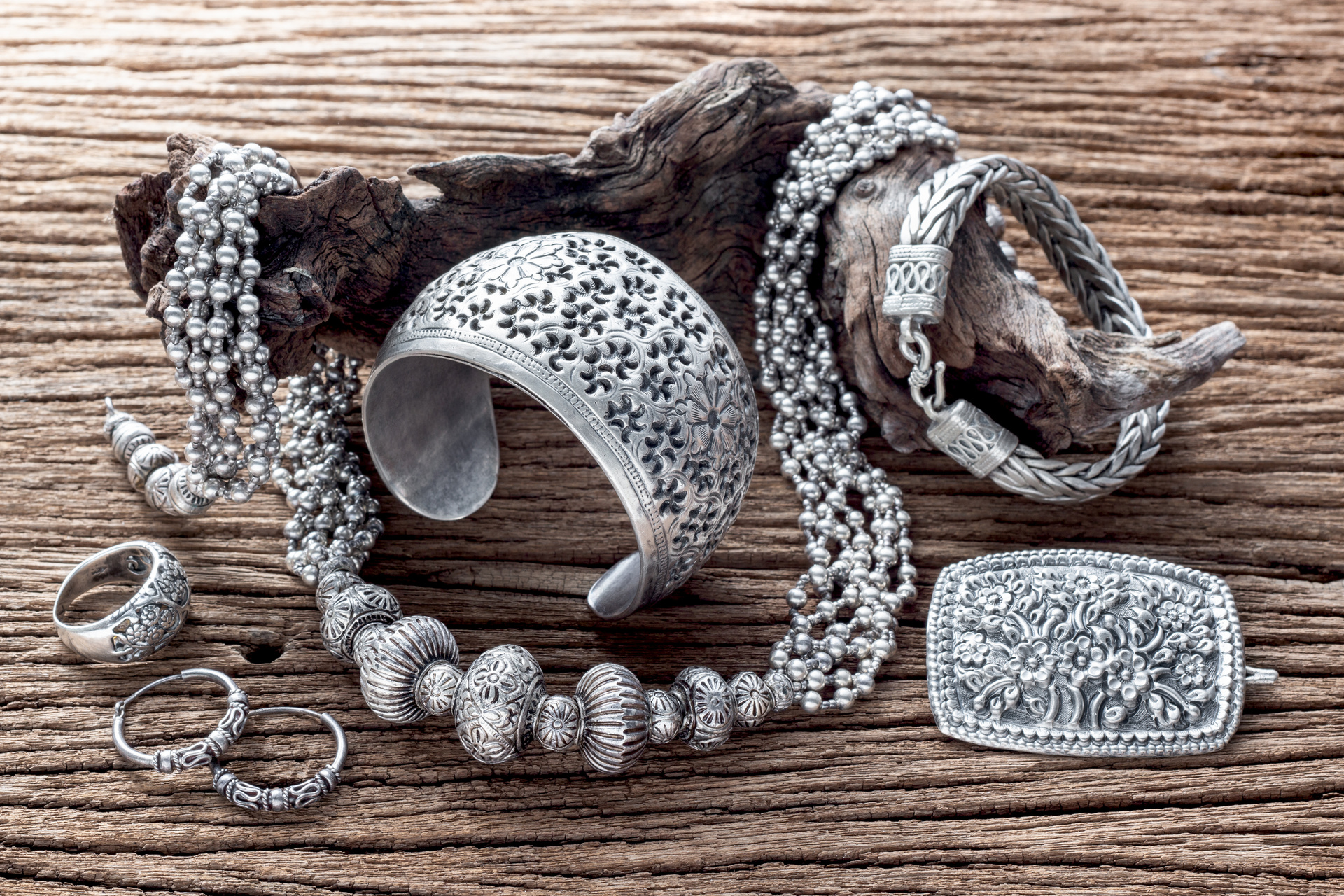

Vintage jewelry often carries a combination of craftsmanship, design character, and history that many collectors appreciate”
METAIRIE, LA, UNITED STATES, May 21, 2026 /EINPresswire.com/ -- Vintage jewelry continues attracting collectors, estate buyers, fashion enthusiasts, and jewelry enthusiasts interested in craftsmanship, history, rarity, and design styles connected to earlier eras. Across the jewelry market, interest in vintage and estate pieces has remained steady as collectors seek items that reflect distinctive design periods, hand-crafted details, and materials less commonly seen in modern mass-produced jewelry.— Ken Bowers
Vintage jewelry generally refers to pieces created during earlier decades, often ranging from the early 1900s through the late twentieth century. Many collectors focus on jewelry associated with recognizable design eras such as Art Deco, Retro, Mid-Century, Victorian, Edwardian, or vintage designer collections. Rings, bracelets, brooches, necklaces, watches, earrings, and custom-crafted estate pieces remain among the categories frequently sought by collectors.
“Vintage jewelry often carries a combination of craftsmanship, design character, and history that many collectors appreciate,” said Ken Bowers, owner of KenWorks in Metairie, Louisiana. “Many pieces reflect construction methods and design details that are not always common in modern jewelry production.”
Collectors are often drawn to the individuality of vintage pieces. Modern jewelry manufacturing frequently relies on large-scale production methods designed for consistency and efficiency. Vintage jewelry, particularly hand-fabricated or artisan-crafted pieces, may display small design variations, engraving details, stone settings, metalwork, and construction techniques that give individual items a more distinctive appearance.
Materials also contribute to collector interest. Older jewelry may contain hand-cut gemstones, heavier gold content, platinum settings, filigree work, hand engraving, or specialty stone cuts that are less commonly used in newer commercial jewelry. Certain vintage diamonds and gemstones may display cutting styles associated with the time period in which they were originally produced.
Historical connection remains another factor influencing collector demand. Vintage jewelry often reflects the fashion trends, economic conditions, artistic movements, and cultural influences of specific decades. Art Deco jewelry, for example, commonly features geometric shapes and symmetrical designs associated with the 1920s and 1930s. Retro-era jewelry from the 1940s often includes larger gold forms and bold styling influenced by wartime material restrictions and changing fashion trends.
Estate jewelry also carries personal history. Many pieces are passed through families over multiple generations, creating sentimental value alongside collectible interest. Rings, heirloom brooches, watches, lockets, and family jewelry collections may preserve family stories and historical connections that extend beyond the monetary value of the item itself.
Condition plays an important role in vintage jewelry collecting. Collectors frequently evaluate wear patterns, repair history, original components, gemstone condition, clasp integrity, and whether pieces retain original settings or design elements. Some collectors prefer untouched original condition, while others may seek professionally restored pieces intended for regular wear.
Authentication and identification are also important considerations. Hallmarks, maker’s marks, metal stamps, signatures, and design characteristics may help identify the age, origin, or manufacturer of vintage jewelry pieces. Certain signed designer pieces from recognized jewelry houses may attract additional collector attention depending on rarity and condition.
The growing interest in sustainability has also influenced vintage jewelry demand. Estate and vintage jewelry allow existing materials and pieces to remain in circulation rather than requiring newly mined materials or newly manufactured products. Some buyers view vintage jewelry as an alternative to mass-market production while also appreciating the historical and artistic aspects of older pieces.
Fashion trends regularly contribute to renewed interest in vintage styles. Jewelry trends often cycle through periods where older designs become popular again among new generations of buyers. Vintage cocktail rings, layered necklaces, antique-inspired engagement rings, and mid-century statement jewelry have all experienced renewed visibility in fashion markets at various times.
Collectors may also appreciate the rarity associated with discontinued designs. Once vintage pieces leave production, exact duplicates may no longer be available. This limited availability contributes to the uniqueness of many estate jewelry items. Certain handmade or custom-designed pieces may exist as one-of-a-kind examples that cannot easily be replicated.
Vintage watches remain another area of collector interest within the broader estate jewelry market. Mechanical watches from earlier decades often attract buyers interested in watchmaking history, movement design, craftsmanship, and historical brand significance. Collectors frequently evaluate originality, movement condition, dial preservation, and service history when examining vintage timepieces.
Regional markets can also influence collecting trends. In areas such as South Louisiana, estate jewelry may include family heirlooms connected to multiple generations of ownership, local traditions, or historical periods associated with New Orleans and Gulf Coast culture. Antique jewelry and estate collections are often connected to family estates, inherited collections, or long-standing personal ownership.
Jewelry restoration services are commonly associated with vintage collecting as well. Older pieces sometimes require stone tightening, prong repair, resizing, polishing, clasp repair, or restoration work intended to preserve the integrity of the original design. Proper restoration may help extend the wearable life of older jewelry while maintaining important historical characteristics.
Online marketplaces and digital photography have also expanded access to vintage jewelry collecting. Buyers now regularly search national and international inventories for specific styles, gemstones, designers, or historical periods. This broader access has increased visibility for vintage jewelry categories that may once have been limited primarily to local estate sales or antique dealers.
Education continues playing a major role in the collector market. Buyers often research gemstone cuts, metal types, historical design eras, hallmark systems, designer signatures, and restoration techniques before purchasing estate jewelry. Knowledge about construction methods and design periods may help collectors identify authentic pieces and understand their historical significance.
As jewelry trends continue evolving, vintage jewelry remains connected to craftsmanship, design individuality, and historical preservation. Collectors continue seeking pieces that combine artistic detail, wearable function, and connections to earlier eras of jewelry production.
For many collectors, vintage jewelry represents more than decoration alone. The appeal often involves craftsmanship, rarity, personal history, and the idea that each piece carries a story extending beyond the materials used to create it.
Morgan Thomas
Rhino Digital, LLC
+1 504-875-5036
email us here
Visit us on social media:
Facebook
Legal Disclaimer:
EIN Presswire provides this news content "as is" without warranty of any kind. We do not accept any responsibility or liability for the accuracy, content, images, videos, licenses, completeness, legality, or reliability of the information contained in this article. If you have any complaints or copyright issues related to this article, kindly contact the author above.
